
History
History
The History of an Aviation Legend
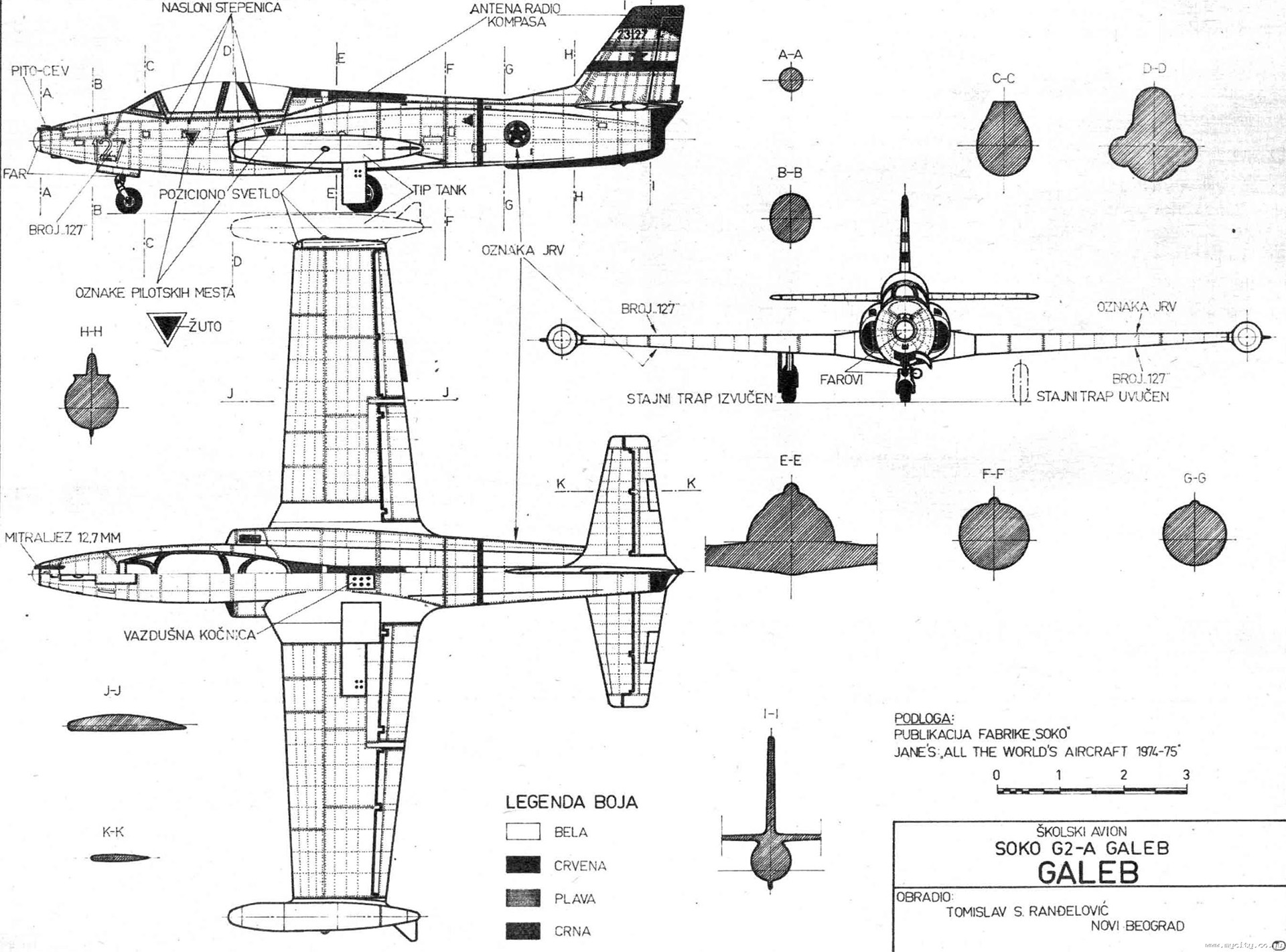
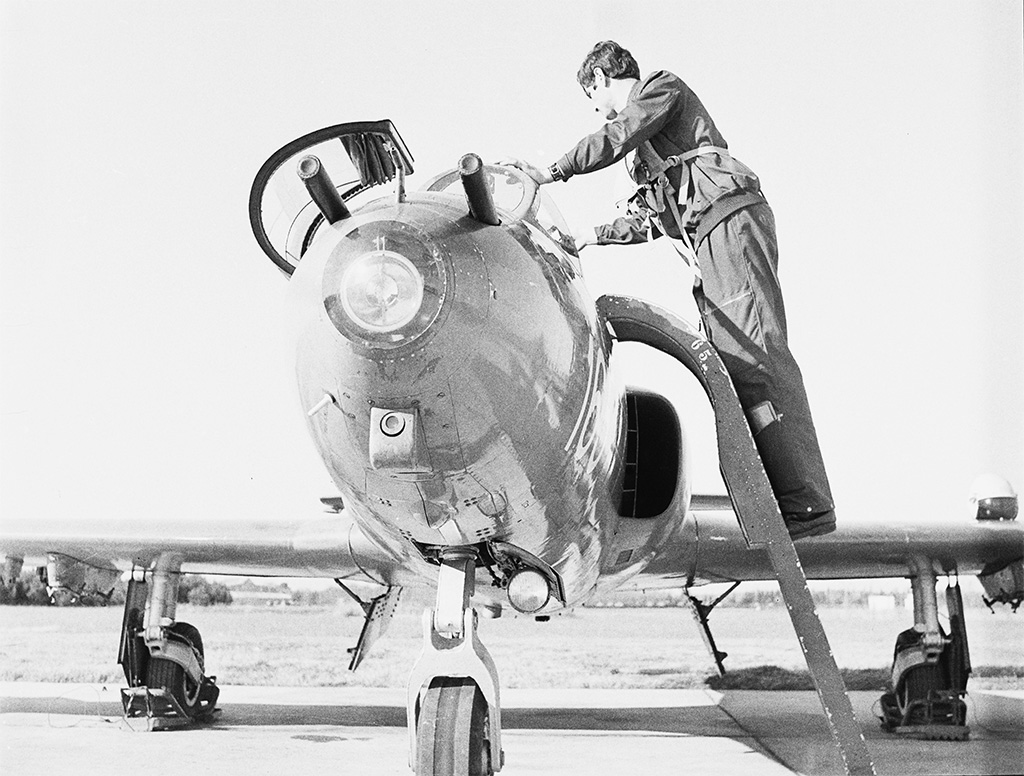
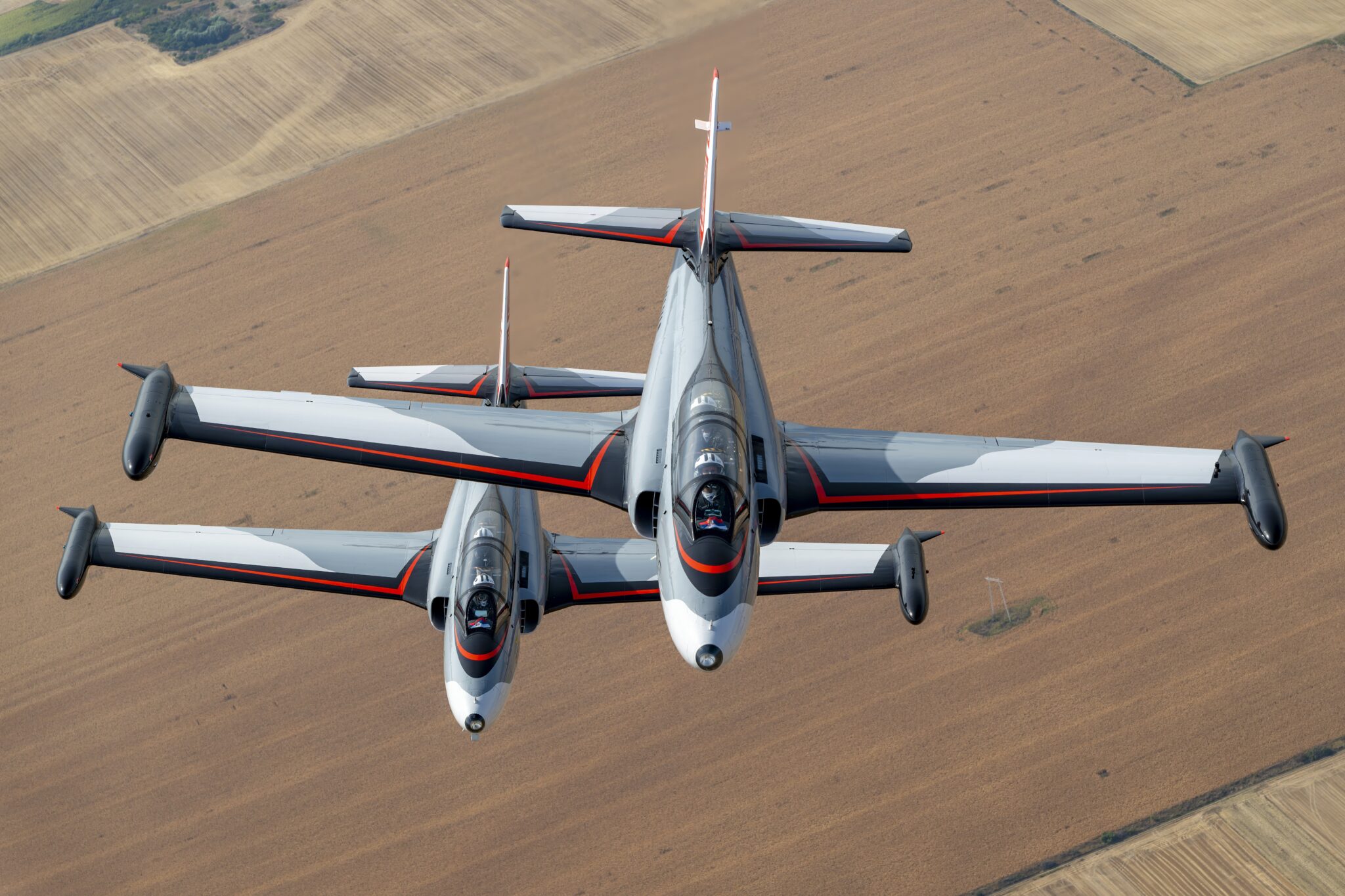
The SOKO G-2 Galeb holds a special place in the history of Yugoslav and international aviation. As the first domestically designed jet aircraft to enter serial production in Yugoslavia, the Galeb represented a major technological achievement and became a symbol of the country’s growing aerospace industry.
From Concept to First Flight
Development of the G-2 Galeb began in 1957 at the Aeronautical Technical Institute in Žarkovo, near Belgrade. The objective was to create a modern jet trainer capable of preparing military pilots for the demands of jet-powered flight, while combining reliability, ease of handling, and excellent flying characteristics.
The first prototype took to the skies on 3 July 1961, marking a significant milestone in Yugoslav aviation history. Following a successful flight testing programme, the Galeb made its international debut at the Paris Air Show in 1963, attracting considerable attention from aviation professionals and enthusiasts alike.
Serial production was undertaken by the SOKO aircraft factory in Mostar, in what is now Bosnia and Herzegovina. The aircraft entered operational service in 1965, with production continuing until 1985.
An Aircraft Ahead of Its Time
The G-2 Galeb was designed as a two-seat, single-engine jet aircraft, primarily intended for advanced pilot training, but also capable of performing light ground-attack missions.
Powered by a British-built Rolls-Royce Viper turbojet engine, the Galeb could reach speeds of approximately 800 km/h (500 mph), offering an impressive combination of performance and handling for an aircraft of its generation.
One of its most distinctive features was its ability to operate from grass airfields and unprepared runways, providing a level of operational flexibility rarely found among comparable jet trainers of the era.
With its forgiving handling characteristics, stable flight performance, and rugged construction, the Galeb earned a reputation as a reliable and versatile aircraft. Its responsive controls and predictable behaviour made it particularly well suited to pilot training, while also allowing experienced aviators to perform demanding aerobatic manoeuvres.
Decades of Service
Throughout its long operational career, the G-2 Galeb played a vital role in the Yugoslav Air Force, serving as one of its principal jet training aircraft. Generations of military aviators gained their first experience of jet-powered flight in its cockpit, making the Galeb an integral part of the country’s aviation heritage.
A total of 248 aircraft were built, with the Galeb serving not only in Yugoslavia but also with foreign air forces, including those of Libya and Zambia.
Beyond its military training role, the Galeb also demonstrated remarkable capabilities as an aerobatic aircraft. Its balanced handling, agility, and distinctive appearance made it a natural choice for formation flying and aerial displays.
Among its most memorable appearances were performances by the renowned Yugoslav aerobatic display team “Stars” (Zvezde), whose precision formations and spectacular manoeuvres helped establish the Galeb’s reputation far beyond its original military purpose.